
A New Perspective: Call to Action
- Inclusion of families is a necessary part of the process to support greater mutual understanding and to maximise the full potential of projects
- Communicate clearly with families whether through easily accessible information, personal contact, practical engagement, or opportunities demonstrating the value and benefits of the Arts
- Ensure opportunities are advertised explicitly including all necessary information, straight-forward online navigation (if appropriate) and clear instructions on how to engage
- Reduce barriers to engagement by only requesting information about individual participants that is relevant to the project rather than overly detailed personal information
- Work closely with family members to build trust at all stages of project development as this can provide greater insight to support co-production and deepen understanding
- Involve siblings, where appropriate, as this will benefit not only the participants and family but also the project as a whole
- Signpost pathways to families, beyond initial participation, to show options that continued engagement in the Arts could offer
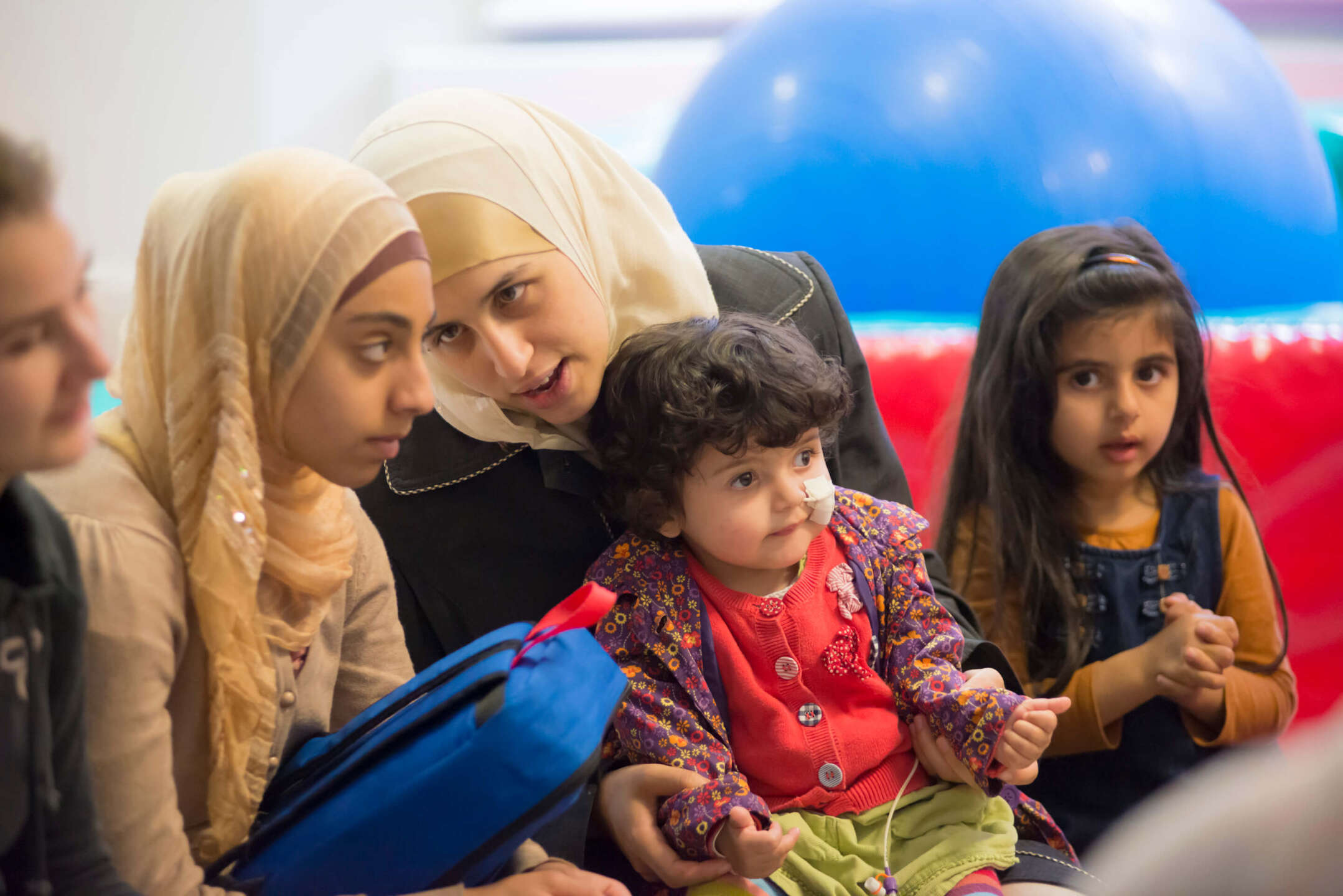
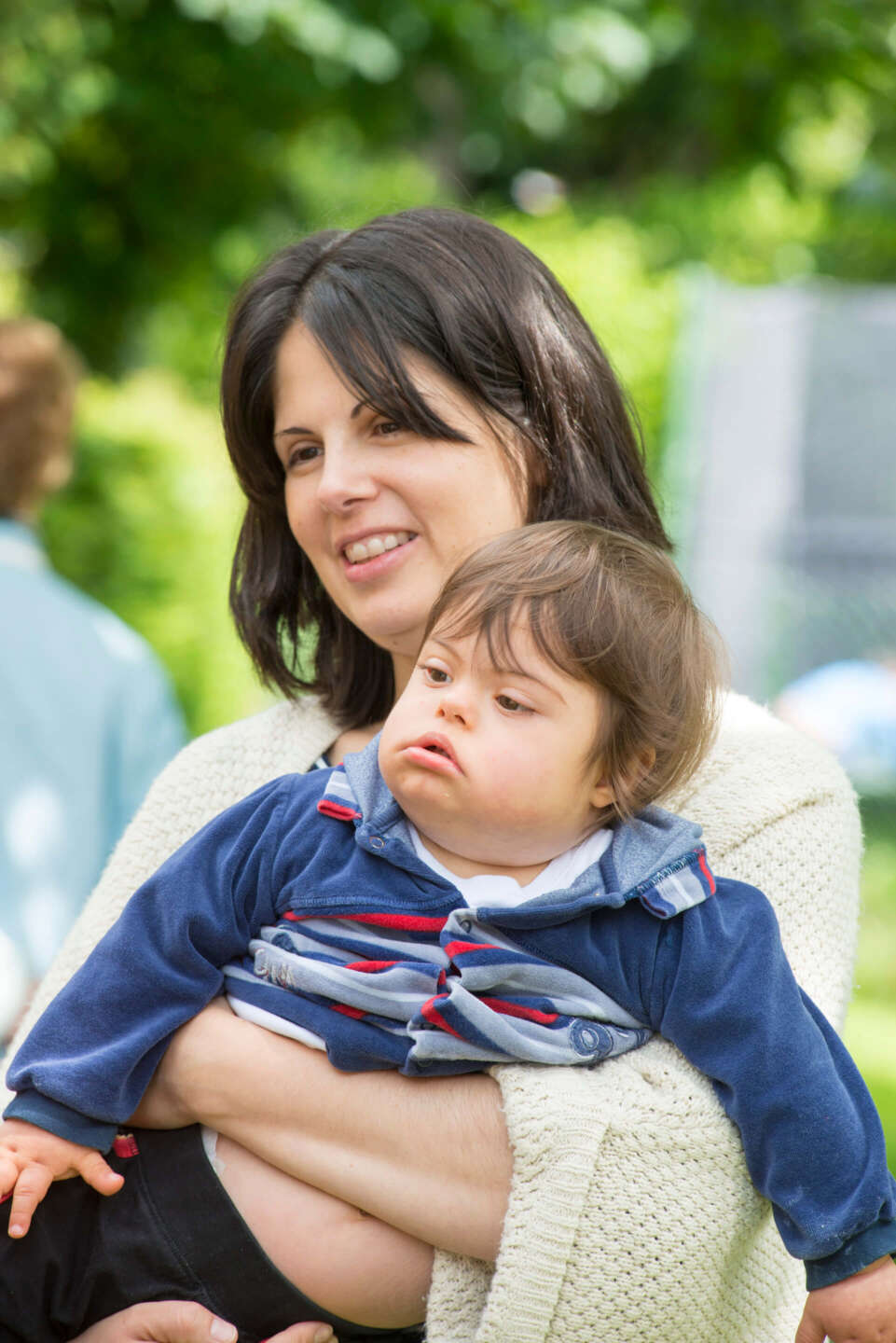
Whilst D/deaf, disabled and neurodiverse children and young people are at the heart of their families, parents, carers and siblings are often poor in time, resources and the confidence to access opportunities. For many families, there are too few organisations which are equipped to meet the needs of the entire family and, as a result, they are too often excluded from mainstream activities, and specialist become a vital part of their shared experiences.
The importance of involving all family members was highlighted in the Stand up for SEND Call to Action, and based on the feedback received from both schools and Arts organisations in the previous two Perspectives investigations, A Whole Family approach to delivery was recommended, supporting the wider family unit to understand the value of and be included in Arts activities along with D/deaf, disabled and neurodiverse children and young people.
“Families expect a high level of trust when you accept responsibility for their child or young person…this means that once their child or young person has accessed a project, they can step back in full confidence that their child is safe from harm. Many, instilled with that trust, will limit their engagement with services to that alone. However, an holistic awareness of how Disabled People’s Organisations (DPO) can support the wider family can have an impact on how to access the best support for that family. It may be that partners looking to engage SEND children and young people through funding linked with a DPO.
This ensures the family have access to holistic services that are designed by disabled people. This may encourage more families to engage with wider services and ensure that they are accessing the right support.” – Action on Disability
Levels of family engagement
Of the 66 organisations who responded to the Charity’s survey, 43 (65%), currently engage with families, meaning 35% of organisations are not currently engaging with this important group. Of those organisations who were engaging with families, more than half (56%) reported that since 2019 the level of engagement had increased. Of those who felt the level of engagement had stayed the same as in 2019, most (19% of organisations overall) described the level of engagement as ‘moderate’.
One in five (20%) stated that they are currently developing family engagement opportunities.
Schools were less likely than delivery organisations to report an increased engagement with families, with just over a quarter (27%) of schools reporting that they experienced increased levels of family engagement since 2019. A significant number of schools (27%) reported that engagement from families had remained at a consistently low level since 2019, and nearly one in five (19%) reported a decrease in engagement, compared with 7% of Arts organisations.
When schools were asked how confident they felt their families are in accessing Arts enrichment activities for their children outside of school, they expressed a very low level of confidence – 81% said they were not confident and just 15% were somewhat confident or confident.
Funders confirmed that they had seen an increase within reports and applications that included a whole family approach, with ‘parental voice’ central to the delivery of projects. Funders like to support projects that include the voice of participants and stakeholders, whether that is young people and/or their parents, to demonstrate the value of the project being delivered.
“We have found with the cost of living crisis and families having far more struggles overall and less time that it has been very significantly more difficult to engage families. Especially as we have the catch-22 situation of a lack of transport/staffing for our students after school hours, and families also not being able to take time off work to engage with activities during the school day.
Families also are more aware of the dangers of photographs being taken of their student and put on the internet so it is more difficult to take videos to show what we have been doing or videos or performances and this also has a knock on impact for funders as well. “ – School
“There is definitely a trend within reports and applications for the intervention and support to have a whole family approach. This then means that some applications read as very parent-focused, by which I mean that the voice of the parents feels more central – sometimes there are clear reasons for this, but it is great when a SEND-focused organisation go to great efforts to centre quotes and ideas of young people with learning and communication differences as best they can.” – Funder
How families engage in Arts and culture
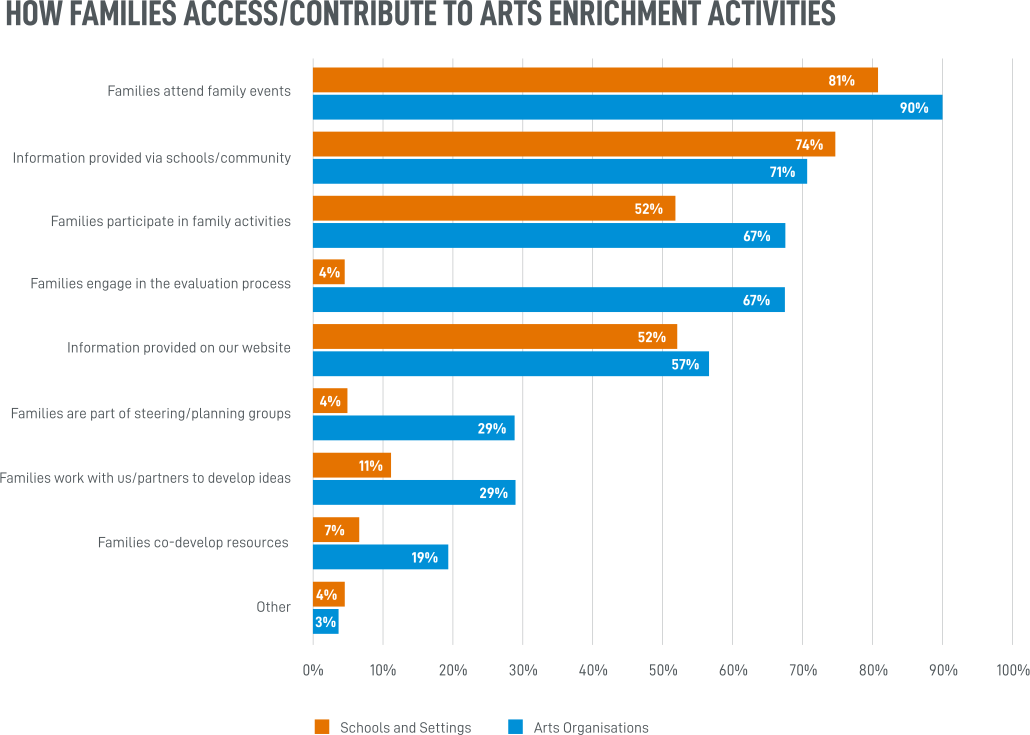
Schools were asked how parents, carers and siblings access or contribute to Arts and enrichment activity at school, and organisations were asked how they involve parents, carers and siblings in their inclusive delivery.
Both schools (81%) and organisations (90%) reported that families are most likely to attend family events, followed by accessing information provided to families via the school or the community (74% of schools, 71% of organisations).
Interestingly, Arts organisations were significantly more likely to state that families engage in the evaluation process than schools (67%, compared with 4% of schools). This suggests that schools may experience unique barriers to involving families in evaluation, which are perhaps less of a challenge for organisations or that schools are better equipped to include the voice of young people in their evaluation methods.
Arts organisations were also more likely than schools to state that families are part of steering or planning groups, that families work with them to develop ideas, and that families co-develop resources.
“To make a difference long term, families must feel that they are stakeholders, more than observers.” – English National Ballet
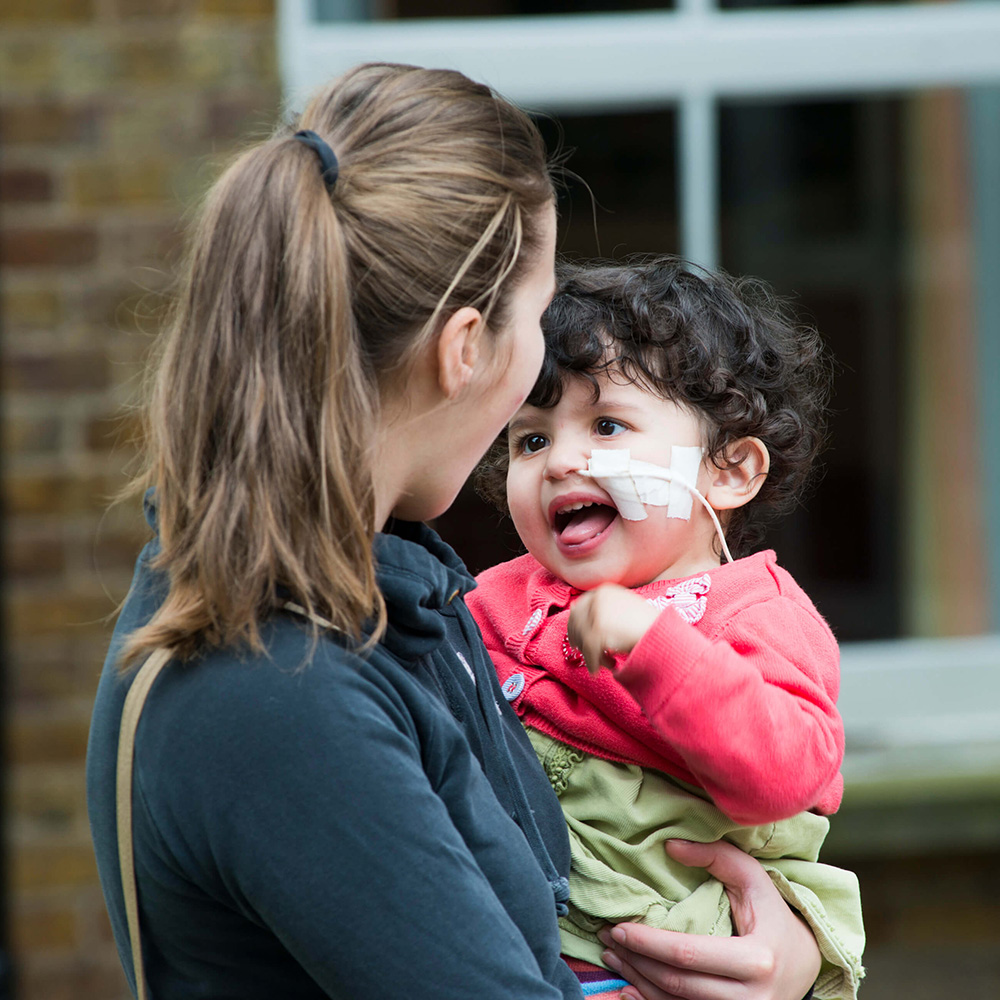
Why families do not engage:
Schools cited the following reasons for families struggling to engage with the activities of their children at school or in Arts venues:
• Due to the many additional responsibilities with a D/deaf, disabled or neurodiverse child, they have less time to engage in activities
• Families often live further away from a special school compared to a mainstream school, therefore it can be difficult to travel to events at school
• Families often use the time their child is in school for periods of respite and to focus on non-caring responsibilities
• Families need a lot of support and encouragement from the school to engage in activities, which schools do not always have the capacity to engage
• Families may not be able to afford the costs associated with visiting arts activities out of school, particularly if there is no guarantee the child or young person will be able to engage
• Many families feel that arts and cultural venues are not appropriate or welcoming to their children
• Families who have previously had a negative experience outside of school will be less willing to engage in arts and cultural opportunities in the future
“Interestingly a programme that we ran which included a participatory grants panel of parents, many of whom had SEND children, told us that some SEND specific charities in our area actively exclude poorer families and those who don’t have a diagnosis yet. i.e. “membership fees and a requirement of diagnosis to participate.” – The Harper Trust
“A challenge we sometimes face is that families don’t often think theatre is for them/their children so we need to improve our relationship building/outreach to these communities and remove the barriers for them to attend our shows/projects.” – Unicorn Theatre
What works well for Arts organisations in getting families to engage:
• Taking a personal approach to each family and understanding what difficulties they face in accessing opportunities and then working out how best to meet their needs.
• Having a consistent and ongoing relationship with families, supported by regular calls or emails to build trust and confidence.
• Ongoing communicating with families about their young person, including during sessions, highlighting the achievements of children and young people and revisiting adaptations that might be needed.
• Ensuring venues and delivery spaces are accessible to all. Good venues should accommodate wheelchairs and buggies but be responsive to the needs of the families.
“Family members (usually parents) and carers are actively involved in SEND sessions in our setting. We have open communication with them regarding their own young person, and also links to the wider EDFSS learning and participation programme in which they can participate – and what adjustments we can put in place to make that work on both sides.” – English Folk Dance and Song Society
Considerations
It is essential that the benefits of participation in Arts and cultural activities are conveyed to the wider family unit. Families of D/deaf, disabled and neurodiverse children and young people should be supported to access opportunities and organisations should be mindful to increase their confidence to do so. Confidence and trust are essential to family engagement and, for this reason, it is important to ensure a level of understanding in an organisation’s ethos and offer and how that relates to the fulfilment of the needs of the young person.
A high proportion of organisations, 85% of those engaging in the A New Perspective survey, reported either providing or developing opportunities for families of D/deaf, disabled and neurodiverse children and young people. The majority of these organisations were engaging with families through family events and activities or including families as part of their evaluation process.
The role of schools was considered as key to developing engagement with families particularly at the early stages of relationship building. This is seen by most organisations as a positive in that it deepens the relationship with schools however conversely it can be seen as a challenge to depend on schools in terms of the communication with families.
Whilst many organisations recognised the importance of developing their engagement with families, the survey suggests that only a quarter of the organisations surveyed were include family members as part of planning and a co-developmental of provision. As such, the importance of engaging the wider family is an area that would greatly benefit from sharing practices and approaches.
One specific area identified, where further support is needed, was the commitment from Arts partners to support schools with venue, recruitment, and event management.
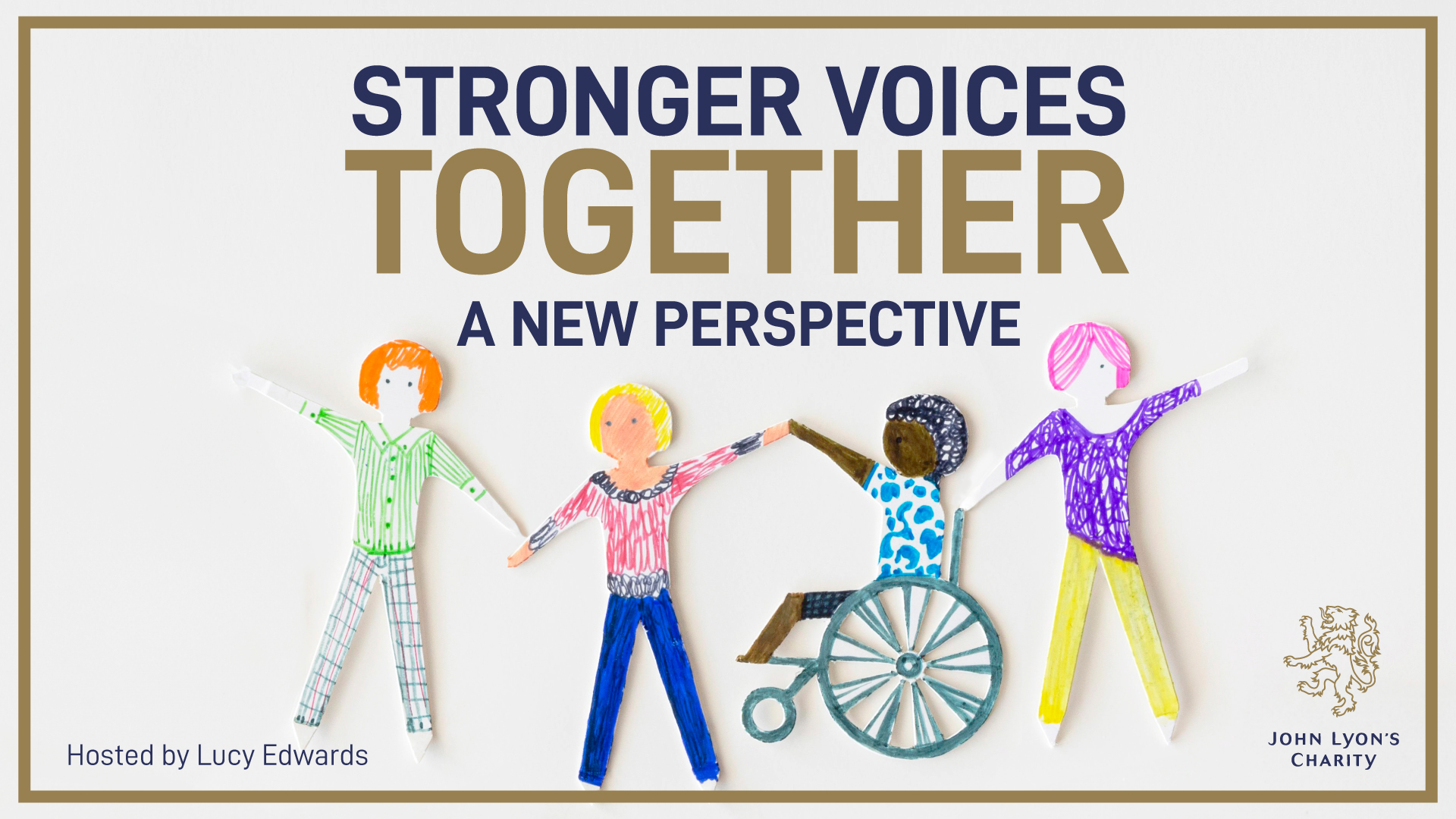
Stronger Voices Together
Stronger Voices Together, the John Lyon’s Charity podcast champions and promote inclusive opportunities for children and young people with learning and access needs.
A Whole Family Approach – Life without limits
In this episode of Stronger Voices Together, guests share their valuable lived experience as parents, and the organisations working with them, to address what more can be done to ensure inclusion is meaningful for the whole family unit.


© Copyright 2020 – John Lyon’s Charity. Design: Pad Creative
Registered Charity No. 237725